
Healthy Grocery Shopping Assistance
Shop one-on-one, as a family, or in a small group while learning how to compare labels and choose better foods and everyday products in real time.
Learn in the Aisle
Labels make much more sense when you can compare products side by side. We walk the store with you, explain what we are looking at, discuss why we prefer one option over another, and help you build a cart that fits your household.
One-on-One or Group Shopping
Sessions can be private, family-based, small-group grocery tours, farmers-market meetups or educational shopping events. We can focus on food only or include toiletries, cleaning products, baby items and other household products.
Personalized to What You Actually Eat
We build around your normal foods and cooking habits rather than forcing an unrealistic menu. The goal is to leave you more confident and less dependent on confusing marketing claims.
After the Trip
We can help organize what you purchased, build a replacement list for future trips and create a repeatable shopping routine.
Planning a consultation in Greater New Orleans
Interested in healthy grocery shopping assistance? Tell us your city, your main question, and whether you prefer an in-person or remote educational conversation. Based in Harvey, Chemical Wellness discusses availability for New Orleans, the Westbank, Metairie, Kenner, and nearby communities. Scope, travel, and pricing are confirmed before booking.
Make a grocery trip more useful—not more complicated
Decide what you want to learn before the trip
A shopping-education session works best with a defined goal. You may want to compare meat sourcing information, understand the packaged products your family still uses, simplify breakfast, build an animal-based grocery list, or stop buying ingredients that never become a meal. We can start with your normal list instead of building an entirely unfamiliar way to shop.
The appointment format, store, timing, travel, and pricing need to be confirmed beforehand. A remote conversation about labels may be sufficient for some questions. We do not imply a partnership with a grocery store, market, farm, or brand unless that relationship has actually been established.
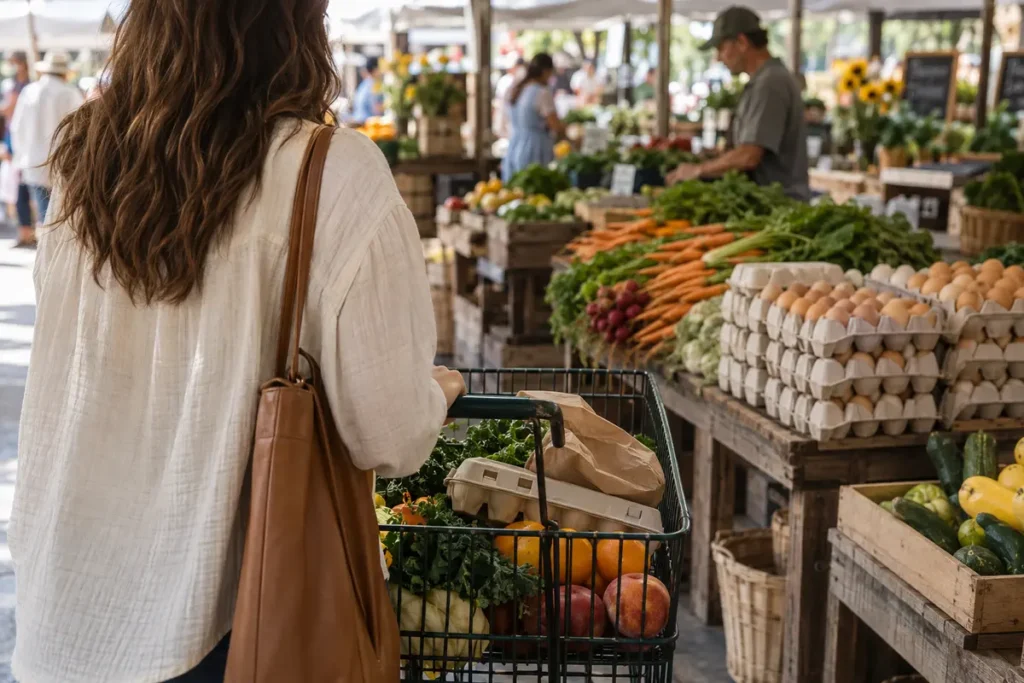
Compare products using clear questions
Useful comparisons can include the ingredient list, package size, storage instructions, preparation requirements, sourcing information, and how much of the product your household will realistically use. A premium package is not automatically the best choice. Sometimes the more practical option is a simpler item that fits a repeatable meal.
For meat, eggs, dairy, pantry items, and drinks, we can identify the claims you want to understand and what additional information may be needed. Marketing language, certification, and a seller’s description are not interchangeable. Where there is uncertainty, the honest answer is to clarify it rather than pretend the claim has been verified.
Connect the cart to meals you will actually make
Think about what happens when the groceries get home. Who cooks? How much refrigerator and freezer space is available? Are there containers for leftovers? Which foods can be prepared within your available time? Those details can prevent a well-intentioned shopping trip from becoming expensive waste.
For a whole-food or animal-based household, a manageable list may center on meat, eggs, broth ingredients, fruit, and other foods that suit your preferences. The aim is a usable system with clear meals, not a requirement to buy every specialty item. Food safety and individual dietary needs remain important.
Keep the learning useful after the visit
You can use the comparison questions again on future trips: what is in this, how will we use it, what does the claim mean, and does it fit the plan? If food organization is the main obstacle, ask about a separate pantry or kitchen session.
We can define follow-up work without making an ongoing service a condition of the initial appointment.
A multi-store route needs a reason for every stop
A household may buy a preferred beef product at a warehouse club, eggs from a local source and most other ingredients from a larger grocery store. A separate stop makes sense when the difference in product, quantity or price is useful enough to justify the trip.
We can work from your real list, identify the items with firm sourcing preferences and mark the ones with acceptable substitutes. Store names alone do not establish ingredient quality or current availability. The plan should help you shop with fewer last-minute decisions rather than create a six-store trip every week.
Compare the usable amount, not just the shelf price
A bulk package can be good value when you can portion, store and use it. It can also create waste when the quantity exceeds your freezer space or household routine. Compare unit prices, edible yield, ingredients and the actual serving information.
For broth, cheese, prepared foods and drinks, look beyond the front-of-package claim to what you are buying. If a product has changed ingredients or a preferred item is unavailable, the substitution list should tell you what matters most. We can document those criteria so another household shopper can follow them.
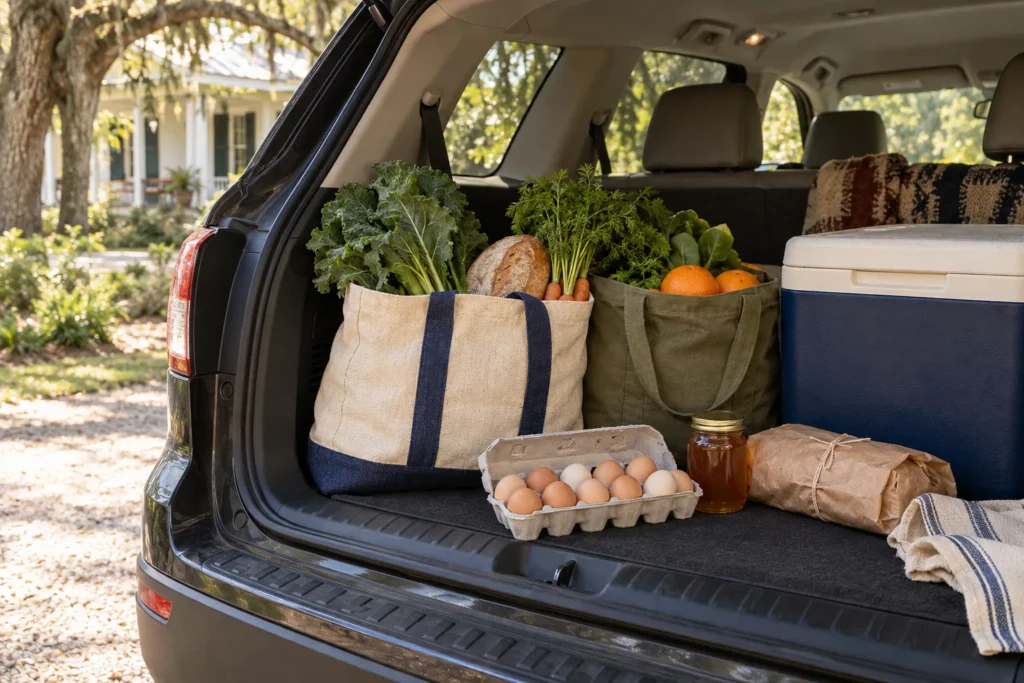
Include transport and time in the package
Shopping time includes preparation, the agreed travel, comparisons at the store and a practical wrap-up. Chilled and frozen foods need an appropriate transport plan, especially during a long route in Louisiana heat. Groceries, memberships, parking and other purchases are separate from consulting.
A package includes a defined amount of combined service time; a full-day route or additional stores may require more. Additional approved work after a package is $160 per hour. The scope should be clear before the day begins, with no assumption that you have authorized an open-ended shopping bill.
Questions before you book
Will you shop at my usual store?
Tell us the store and city when you inquire. Availability, location, and the format are confirmed before scheduling.
Does the session include paying for groceries?
Service scope and pricing must be confirmed in advance. Do not assume grocery purchases are included in an educational service fee.
Can we review labels without going to a store?
A remote or introductory label conversation may be appropriate. Share the questions you want to answer and we can discuss the format.
Is a large food budget required?
No particular budget is assumed. A useful plan should account for cost, realistic meal use, storage, and your household’s priorities.
Can you visit more than one store?
Yes, when the route and service time are agreed beforehand. We plan around the actual list, current availability and transport needs rather than promise that every item can be found in one location.
Are groceries included in the service price?
No. Grocery purchases are separate from the consulting or shopping-support fee unless a written scope expressly says otherwise. You should know the service allowance and the expected purchase process before booking.
Can I keep my current favorite stores?
Yes. We can begin with the places you already shop and compare specific products there. The goal is a usable route, not a requirement to abandon familiar stores or buy everything from one source.
Will you guarantee grass-fed meat or particular eggs are available?
No. Suppliers, stock, labels and prices change. We verify the actual product where possible and keep substitutions that match your priorities instead of relying on a permanent inventory promise.
Can you compare prepared foods and restaurant options?
We can help formulate ingredient and preparation questions, including cooking fats, sauces and additives. Staff may not have every answer. Uncertain information should remain uncertain rather than be presented as a guarantee.
Can the trip follow a dietitian’s instructions?
Yes. Bring the relevant shopping instructions and any clear restrictions. We can help turn them into a list and label-comparison process without changing the underlying clinical plan.
What if a long route needs more than the package time?
We discuss the extra work and time before proceeding. Additional approved work after the included package is $160 per hour. You can reduce the route or handle some stops yourself instead.
How do I ask for grocery-shopping support?
Text your city, typical shopping area and the foods or label questions that are difficult to source. Mention whether you want guidance alongside you or separately scoped sourcing help.
Tell us what you need help with.
Text 504.296.9696 with your city and a little about your goals. Prefer a form? That works too.
Need a phone conversation instead? Call 504.296.9696.
Explore related guides
Health education guides · Thyroid, Graves and food questions · Whole-food grocery shopping guides