Cigarette Smoke & Third-Hand Smoke Cleaning
A detailed cleaning and exposure-reduction service for homes, offices and vehicles affected by cigarette smoke residue and persistent odor.
More Than Air Freshener
Smoke residue can settle on walls, ceilings, floors, trim, furniture, fabrics and HVAC components. Effective cleanup begins by identifying contaminated surfaces and materials rather than masking odor.
Detailed Cleaning Scope
Depending on the property and condition, a remediation plan may address washable surfaces, baseboards, floors, furnishings, filtration, HVAC components and ductwork coordination.
Homes, Offices & Vehicles
The process can be adapted to residential spaces, workplaces and vehicles, with the scope determined after inspection.
Realistic Expectations
Severe contamination may require specialized restoration contractors, replacement of porous materials or professional HVAC/duct services beyond routine cleaning. We will identify those limits rather than promise that one treatment solves every case.
Planning a consultation in Greater New Orleans
Interested in cigarette smoke & third-hand smoke cleaning? Tell us your city, your main question, and whether you prefer an in-person or remote educational conversation. Based in Harvey, Chemical Wellness discusses availability for New Orleans, the Westbank, Metairie, Kenner, and nearby communities. Scope, travel, and pricing are confirmed before booking.
Describe the smoke history and the actual space
A smoke-residue project begins with information about the property, the smoking history if known and the materials involved. Explain whether the concern is a room, an entire home, an office or a vehicle. Note what you can observe without claiming a measurement that has not been taken.
A practical project review can help define the work and identify where specialist advice is needed. It is not a laboratory determination of contamination or a guarantee that an affected space can be restored through routine cleaning alone.
Keep residue separate from a fragrance problem
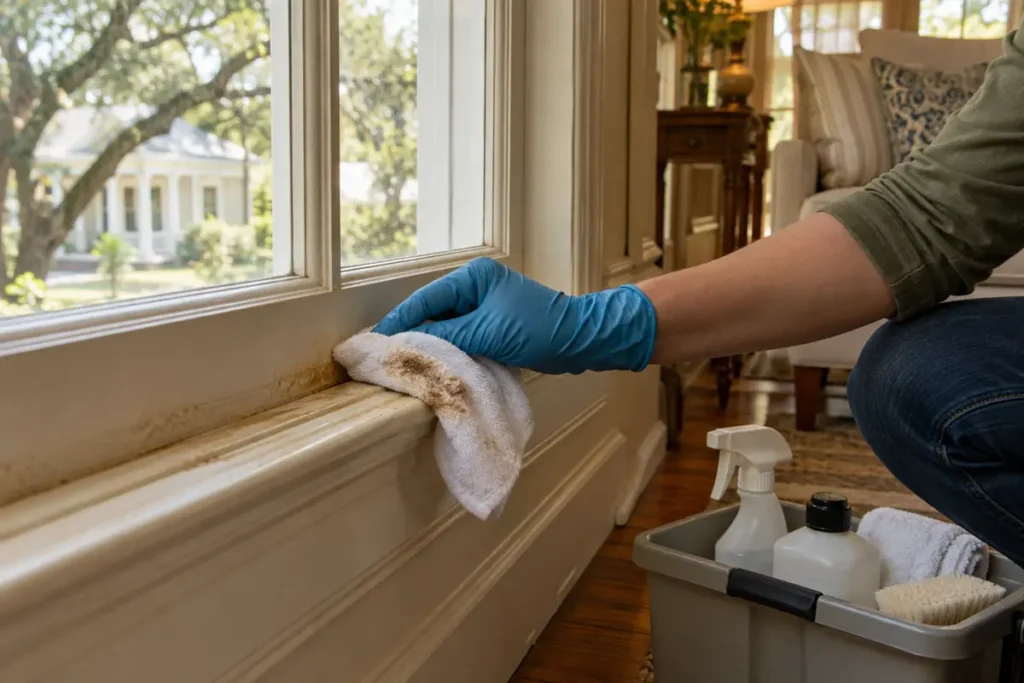
Tobacco smoke can leave residue on surfaces and in materials after visible smoke is gone. The Thirdhand Smoke Resource Center describes the difficulty of removing residue embedded in furnishings and building materials. Adding a strong scent does not establish that the underlying issue has been addressed.
Begin by identifying the affected materials and whether smoke continues to enter the space. A cleaning plan should not be confused with making the room smell different, and an improvement in odor should not be presented as proof that all contaminants have been removed.
Identify what the agreed cleaning can address
List the areas and materials proposed for work, along with access, condition and any limitations. Washable surfaces, fabrics, upholstered items and building components can require different approaches. Do not assume one method is suitable for everything. The written scope should identify the work included and what remains outside it.
For severe contamination or materials that may need removal, discuss an appropriate restoration provider. A detailed project is more useful than a blanket promise that a single treatment will solve every property and every material.
Resolve continuing smoke sources first
If smoking continues inside or smoke is entering from another space, cleaning alone may not prevent renewed residue. Discuss the source and who has authority to change it. In a rental, shared building or workplace, some decisions belong to an owner, manager or other responsible party.
A product purchase or air freshener should not be treated as a substitute for that conversation. We can help organize practical questions and the cleaning scope without determining a legal dispute, certifying compliance or guaranteeing control over neighboring occupants.
Keep HVAC and specialized building work with the right provider
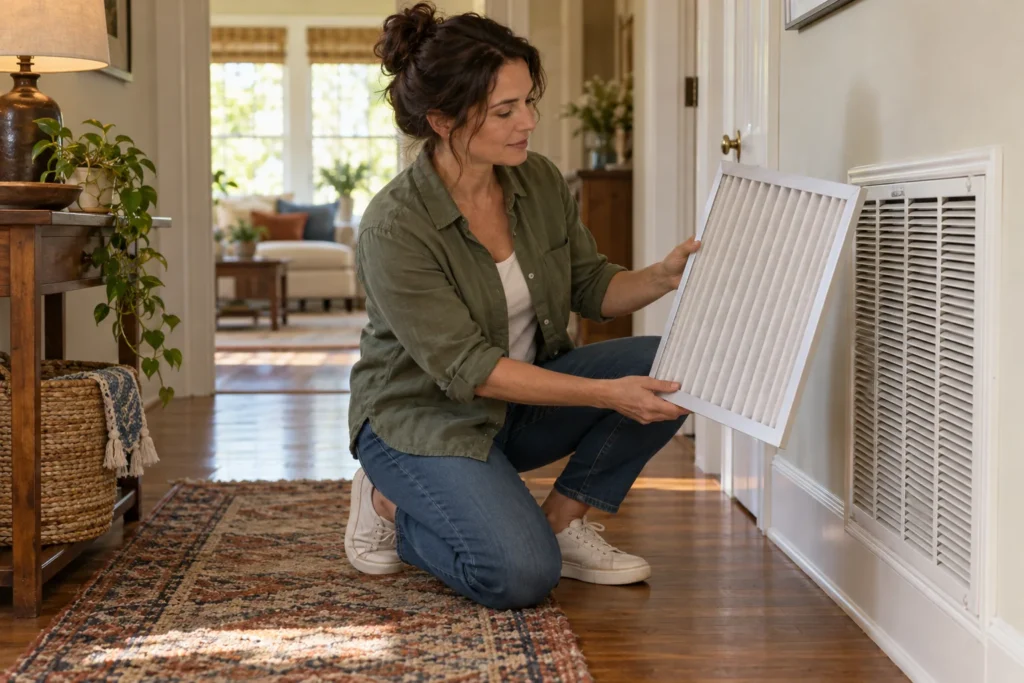
Air-handling equipment, ductwork, electrical components and building materials may require specialist assessment or work. Do not treat an ordinary surface-cleaning quote as authorization to open, alter or service every system. Identify the contractor or responsible professional and clarify how their work connects to the rest of the project.
The household plan can record that coordination. It should not imply that Chemical Wellness has inspected hidden components or can certify the condition of a system that has not been appropriately assessed.
Plan around occupants, belongings and access
Before work begins, agree on access, the areas involved, belongings that need attention and who will make decisions about materials. Follow the selected products’ directions and any professional instructions about the work area. Do not discard possessions simply to simplify the scope without the owner’s agreement.
Families with infants, people with symptoms or other individual concerns should discuss relevant medical questions with their clinicians. The cleaning project should have clear practical arrangements rather than rely on assumptions about who can remain in the space or when it is appropriate to return.
Avoid promises based on smell alone
A room may smell different after cleaning, ventilation or a product application, but odor is not a complete assessment of residue or health risk. If a project needs testing or formal verification, define that need with an appropriately qualified provider and a suitable method.
Keep cleaning records and limitations clear. Do not use a customer’s subjective odor impression as a laboratory result or promise that every future occupant will have the same experience. Honest expectations are especially important when contamination is longstanding or materials remain in place.
Separate a household review from specialized restoration
Some projects may fit a limited, clearly described cleaning scope. Others need more extensive work, replacement of affected materials or a restoration contractor. That decision should follow the actual condition and requirements rather than a desire to keep all work within one service.
We can help identify the practical next questions and coordinate the household side by agreement. Medical symptoms, environmental testing, insurance decisions and landlord obligations are separate issues with their own appropriately qualified contacts.
Agree on the next step before committing to a large project
Text your city, the type of space, approximate size and what you know about the smoke history. Do not send unrelated private records in the inquiry. We can discuss whether an initial project conversation or a qualified specialist assessment is the appropriate starting point.
Confirm included work, supplies, access, limitations, travel and any additional agreed tasks before booking. A useful outcome is a clear plan for the actual property, not an unconditional claim that one cleaning visit will make every surface and material free of smoke residue.
Useful source information
Related practical help
Questions before you book
Is smoke residue the same as an unpleasant scent?
No. Tobacco smoke can leave material on surfaces and in furnishings. A different smell does not by itself establish that the underlying residue has been removed.
Can you guarantee complete decontamination?
No blanket guarantee is made. Scope and limitations depend on the property, materials and condition; some projects require specialist restoration or appropriately defined verification.
Can a purifier replace cleaning?
Do not assume that a device addresses residue embedded in materials or removes the need to address an ongoing source. Equipment and cleaning involve different questions.
Will air freshener solve the problem?
Masking odor does not establish that residue has been addressed. The project should focus on the actual materials, source and appropriate work scope.
Can this include a vehicle?
A vehicle project can be discussed. Its materials, size, access and specialist needs differ from a room, so the scope must be confirmed individually.
Is ductwork included in every quote?
No. HVAC components and ductwork may need an appropriate specialist. Confirm what work is included instead of assuming surface cleaning covers the entire system.
Will you throw away furniture?
Do not assume disposal is included or authorized. Material decisions, ownership permission and any specialist recommendations need to be discussed before action.
Can a rental property be reviewed?
Yes, by arrangement. Clarify access, ownership approval, the ongoing smoke source and which decisions belong to the landlord or property manager.
Can a better smell prove the space is safe?
No. Odor is not a complete residue or health-risk assessment. Formal verification, when needed, requires an appropriate qualified process.
What if someone has symptoms?
Seek advice from the appropriate healthcare professional. A cleaning consultation cannot diagnose the cause of symptoms or substitute for medical assessment.
What happens with severe contamination?
The project may require specialized restoration, material replacement or other qualified work beyond routine cleaning. Those limits should be identified rather than concealed by a broad promise.
What should I text first?
Text 504.296.9696 with your city, space type, approximate size and known smoke history. We can clarify the next step and agreed scope.
Tell us what you need help with.
Text 504.296.9696 with your city and a little about your goals. Prefer a form? That works too.
Need a phone conversation instead? Call 504.296.9696.