
Pantry, Kitchen & Refrigerator Organization
We combine healthier product replacement with practical organization so the better choice is also the easier choice.
Remove, Replace, Organize
Traditional organization services may make a pantry look better without changing what is inside it. Chemical Wellness can review ingredients, help decide what you want to keep or replace, source cleaner alternatives and then organize the new system around how your household cooks and eats.
Pantry Organization
Categories, bins, labels and visibility help reduce duplicates, forgotten food and waste while making meal planning faster.
Refrigerator & Freezer Organization
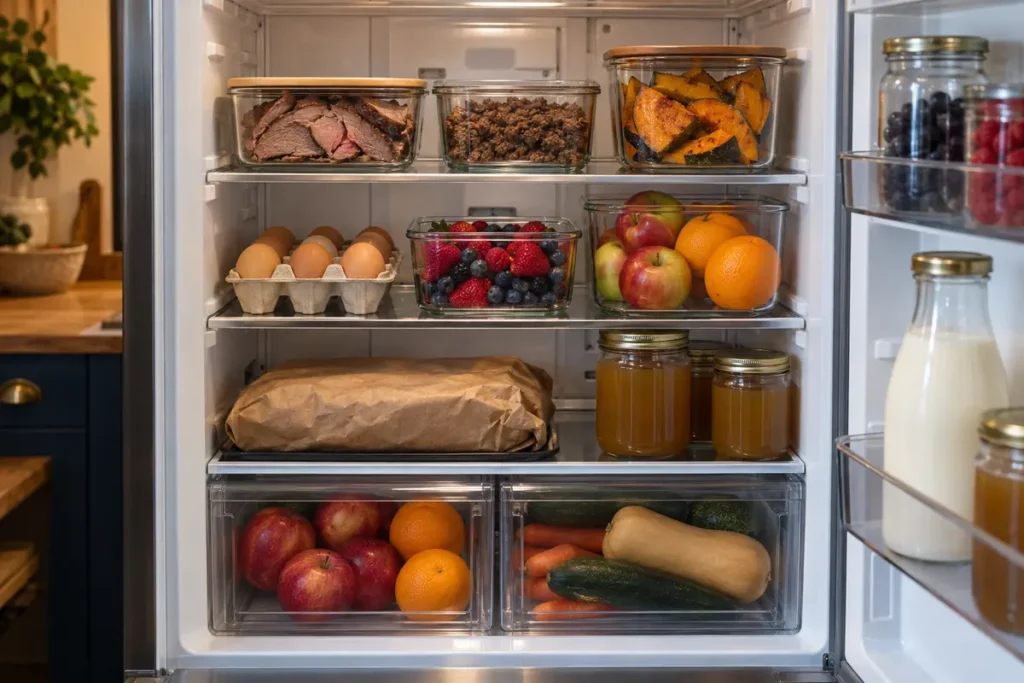
We organize fresh foods, proteins, snacks, meal ingredients and freezer items so you can see what you have before buying more.
Kitchen Systems
We can also review cookware, utensils, food-storage materials, cutting surfaces, dish products, water access and common kitchen-contact items as part of a larger healthy kitchen makeover.
Planning a consultation in Greater New Orleans
Interested in pantry, kitchen & refrigerator organization? Tell us your city, your main question, and whether you prefer an in-person or remote educational conversation. Based in Harvey, Chemical Wellness discusses availability for New Orleans, the Westbank, Metairie, Kenner, and nearby communities. Scope, travel, and pricing are confirmed before booking.
Organize for the meals you want to make
A useful kitchen reset starts with the way food moves through your household. Look at what comes home from the store, where it is put away, what gets cooked and what is left behind. A beautiful set of matching containers will not fix a routine that ignores those steps.
Choose one practical goal such as finding dinner ingredients quickly, keeping raw foods separated, or making a school-day breakfast easier. We can then plan the storage and purchasing changes around that goal.
Take inventory before buying containers
Work through one shelf or drawer at a time and record the products you actually use. Keep enough label information to identify ingredients, allergens, directions and dates. Note unopened duplicates and food that no longer fits your household’s plan.
You decide what to retain or discard; nothing needs to be thrown out merely to make a space look different. The inventory gives you a starting shopping list and shows whether more containers are useful or whether there is simply too much stock.
Give refrigerated foods a workable place
Review your refrigerator’s layout alongside its manufacturer instructions and safe-food-handling guidance. Keep ready-to-eat items protected from raw-food drips, and use suitable covered containers. Avoid packing shelves so tightly that items are hard to see or manage.
Plan a place for food that needs attention next and a separate system for identifying leftovers. Organization supports safe handling, but appearance cannot tell you whether food has been stored at a safe temperature or is still suitable to eat.
Make the freezer part of the plan
A freezer can support a whole-food routine when packages are identifiable and the next meal can be found without unloading everything. Group portions by their likely use, retain product information and record the contents in a simple list.
Put thawing decisions on the weekly plan instead of discovering at dinner that everything is frozen solid. Buying a large cut or a bulk package makes sense only when you can portion, store and use it appropriately. Follow reliable handling guidance rather than guessing from texture or smell.
Keep shelf-stable foods and perishables distinct
Storage depends on the actual product, whether it has been opened and the directions on its label. A sealed product and a homemade version may not have the same storage requirements. Do not transfer a food into a decorative jar and lose the information needed to use it safely.
If you use honey, broth, cooking fats or specialty ingredients, keep the relevant instructions available. We can help create a clear location and label system while specific food-safety questions are checked against an appropriate source.

Build a first-use routine that is easy to see
Choose a small area for ingredients that belong in the next few meals. It should be visible without turning the refrigerator into a complicated filing system. Write the meal or intended use on a simple list, then check it before shopping.
This can help avoid buying another package because the original was hidden behind something else. A household member who did not organize the kitchen should still be able to understand the system. If it requires a lengthy explanation, simplify it before adding another category.
Arrange tools around the task
Store everyday cookware, preparation tools and containers near the work they support, where practical and safe. Consider the person using them, lifting difficulty, available counter space and whether children can access items that should be secured.
Frequently used supplies do not need the same storage treatment as occasional entertaining equipment. A kitchen in a rental may require portable changes rather than new cabinetry. We can discuss workable arrangements without presenting an organization visit as construction, electrical work or a safety inspection.
Connect the reset to the next shopping trip
An organized kitchen needs a buying routine that fits the available space. Check current stock, intended meals and realistic portions before making the next list. For a multi-store trip, identify which stop serves a specific need and which purchases can wait.
Bulk savings can disappear when a package is not used. Keep a backup meal that fits your preferences and equipment so a busy evening does not require abandoning the whole plan. The shopping and meal-planning services can be combined with organization when appropriate.
Make maintenance smaller than the original reset
At the end of a normal week, check what was difficult to find, what was left over and which labels were missing. Adjust the layout rather than treating a cluttered shelf as failure. Give each person a simple responsibility, such as updating the list when the last package is opened.
The next visit can focus on a remaining problem rather than repeating the entire project. To discuss support, text your city, the kitchen area involved and the routine you want to make easier; confirm the agreed work before booking.
Useful source information
Related practical help
Questions before you book
Do I need matching glass containers?
No. Start with suitable storage you already own. Compare any additional containers by their intended use, care instructions, practical size and cost.
Will you throw away my food?
You make disposal decisions. We can organize information and priorities, but an organization visit is not permission to discard items without your agreement.
Can you organize an animal-based kitchen?
Yes. Describe the foods you use, the meals you make and the storage available. We can build the routine around those preferences and appropriate handling.
Can a small apartment kitchen work?
Yes. Limited space makes purchasing quantities, visibility and clear task areas especially important. Portable changes can be discussed when fixtures cannot be altered.
Is deep cleaning included?
Do not assume it is. Agree on the organization tasks, any cleaning scope, supplies and time before booking rather than treating every kitchen task as included.
Can you help with bulk meat storage?
We can organize portions, labels, inventory and planning questions. Use reliable food-handling guidance and equipment instructions for the actual storage and thawing process.
Should food be removed from original packaging?
Only when appropriate. Keep the ingredient, allergen, date and handling information needed to identify and use the product after any transfer.
Can the reset include pantry labels?
Yes. Keep them simple and useful for the people using the kitchen. Labels should identify contents and retain important product information rather than just look coordinated.
Can we combine this with shopping help?
Yes, by agreement. The inventory can guide a shopping list and route, with the included service time and separate grocery purchases confirmed in advance.
Does organization replace food-safety checks?
No. Neat shelves do not establish safe temperatures, handling or storage duration. Follow the food’s instructions and reliable food-safety guidance.
Can my partner help set the system?
Yes. Involving the people who cook and put groceries away helps create a layout that can be followed after the initial visit.
What should I send before a consultation?
Text your city, the main kitchen problem and the area you want to start with. A short description is enough; photos can be discussed when useful.
Tell us what you need help with.
Text 504.296.9696 with your city and a little about your goals. Prefer a form? That works too.
Need a phone conversation instead? Call 504.296.9696.