Schools, Homeschools & Youth Environments: Chemical Wellness for Young Learners
Children’s ages, supervision needs and developing abilities matter when planning products and activities in an educational setting. Start with the actual classroom, home-learning routine or group project and the adults responsible for it. Cleaning supplies, art materials, food arrangements and indoor-air questions each need an appropriate scope. Chemical Wellness can help New Orleans-area schools, homeschool communities and youth groups organize practical information and educational sessions. The work does not certify a facility, measure a child’s exposure or replace the school’s safety responsibilities and qualified professional guidance.
Why Chemical Wellness Matters in Educational Settings
Children ages 6-18 spend approximately 1,000 hours per school year in classrooms and school buildings. The chemical exposures they experience during those hours—through the air they breathe, the surfaces they touch, the food they eat, and the products they use—significantly impact their health, behavior, focus, and academic performance.
School and youth-setting concerns should be described specifically: an unresolved ventilation question, a product without clear instructions, a difficult meal routine or a supply that does not fit the activity. Do not infer the cause of test results, behavior or concentration problems from a general label review.
Children with asthma, allergies, autism, ADHD or other individual needs may require guidance from their clinicians and the responsible educational team. Practical support can help organize product information and questions while those professionals address individual care, access and accommodation needs.
Schools and educational programs are uniquely positioned to create positive change. When schools invest in chemical wellness, they benefit not only individual children but also entire families who adopt healthier practices at home. Homeschooling families, educational cooperatives, and youth organizations that prioritize chemical wellness gain advantages in enrollment, parent satisfaction, and student outcomes.
Our approach is practical, age-appropriate, and evidence-based. We help educators understand which exposures matter most, how to implement changes cost-effectively, and how to educate young people about wellness in ways that empower rather than frighten them.

Key Chemical Wellness Areas in Youth Environments
Indoor Air Quality in Classrooms & Facilities
Schools often have poor ventilation, accumulated air quality problems, and inadequate air filtration. We assess existing systems, identify sources of poor air quality (from HVAC systems to cleaning products to mold), and recommend improvements from mechanical upgrades to plant-based air purification. For Louisiana schools dealing with humidity and seasonal mold, we have specific expertise.
School Lunch & Nutrition Programs
School meals significantly impact child health and academic performance. We evaluate current lunch offerings, identify opportunities to increase whole foods and reduce artificial additives, and help schools navigate partnerships with local food providers in the New Orleans area. Even within budget constraints, significant improvements are possible.
Art, Science & Craft Supplies
Art and craft materials should fit the participants’ ages, intended task and product directions. Keep labels available, follow relevant warnings and storage guidance, and identify any activity requiring additional supervision or a different material. We can help organize product questions and teach an age-appropriate method for reading available information.
A non-toxic or low-VOC claim has a specific context; it should not be treated as permission for every use or as a guarantee that no precautions are needed. The aim is a suitable, understandable activity plan.
Cleaning Products & Maintenance
Cleaning in an educational setting needs to preserve the required function and appropriate procedures. We can help compare product information, intended use, fragrance questions and purchasing responsibilities within an agreed review. Required facility training, infection-control decisions and worker safety instructions remain with the responsible organization and qualified providers.
A change should be evaluated on its actual requirements and practical follow-through rather than assume most products are unnecessarily toxic or that every student will notice an immediate benefit. Keep the decision and its limitations clear to the adults implementing it.
School Gardens & Outdoor Spaces
School gardens provide outdoor education, food growing, and physical activity. We help schools establish gardens using organic growing practices, address soil quality concerns, and use outdoor spaces in ways that support both learning and chemical wellness.
Chemical Wellness Education
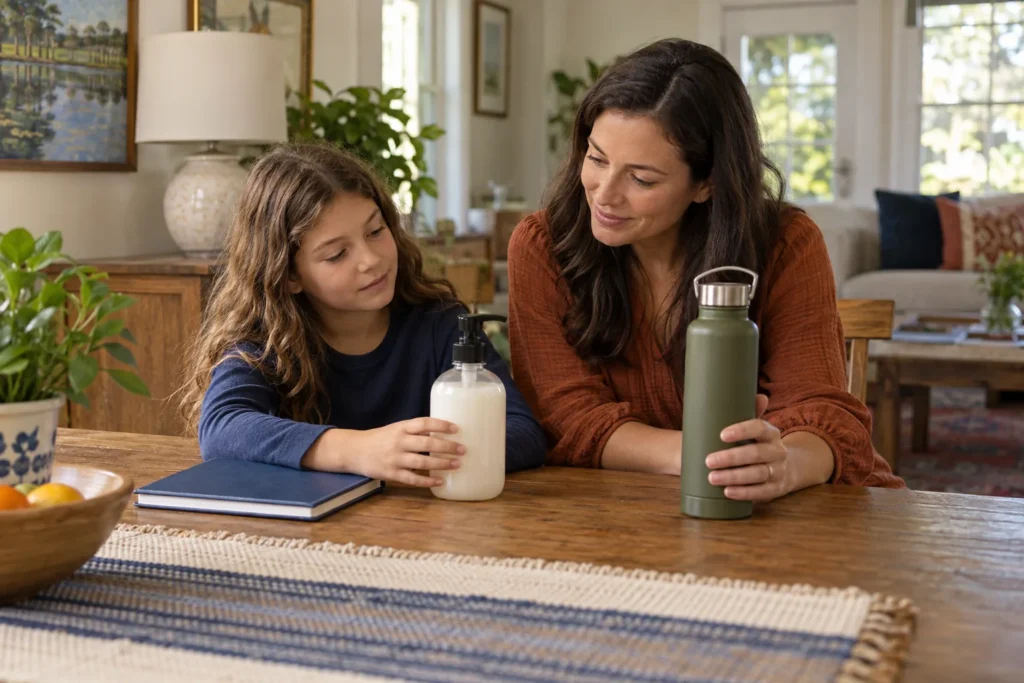
Students benefit from understanding why these changes matter. We develop age-appropriate curricula, lead classroom presentations, and help teachers integrate chemical wellness concepts into science, health, and life skills classes. Learning about ingredients, labeling, and personal wellness empowers young people to make healthier choices throughout their lives.
Our Educational Services
We offer comprehensive assessments of school facilities and programs, examining air quality, food and nutrition programs, supplies and materials, cleaning practices, and outdoor spaces. We create prioritized action plans aligned with school budgets and timelines.
Our workshops and in-classroom presentations can be customized for different age groups. Topics range from understanding product ingredients to making healthy lunch choices to supporting friends with food allergies or sensitivities.
We work with school boards, PTA/PTO organizations, health curriculum providers, and youth-serving nonprofits to integrate chemical wellness into broader health and wellness initiatives. Homeschool co-ops and independent schools often use our services to differentiate their educational offerings.
Chemical Wellness Across Different Learning Environments
Different educational settings have different needs. Traditional public and private schools manage large facilities and complex supply chains. Homeschool families have intimate control over their children’s environment and can implement changes quickly. Montessori and waldorf schools have particular philosophies about materials and learning.
After-school programs and youth sports organizations have specific facility and equipment concerns. Explore our complete industries overview to see how chemical wellness applies to your setting.
The Educational Case for Chemical Wellness
Schools that prioritize chemical wellness gain measurable advantages. Research shows that improved indoor air quality correlates with improved test scores and reduced absenteeism. Healthier lunch programs reduce behavioral issues and improve academic focus. Reduced chemical exposures benefit children with asthma, allergies, and sensory sensitivities—improving their access to full educational participation.
Moreover, when schools lead on chemical wellness, parents notice and appreciate it. In competitive educational markets, this commitment to student health is an enrollment advantage. Alumni, donors, and community members view chemical wellness leadership as evidence of institutional values and commitment to holistic child development.
Frequently Asked Questions About Chemical Wellness in Schools
How do we fund these improvements on a school budget?
Many chemical wellness improvements are cost-neutral or reduce costs compared to conventional alternatives. We help prioritize based on budget. Grant funding, PTA fundraising, and gradual implementation during regular replacement cycles make comprehensive change feasible even with limited budgets.
Will students understand why we’re making these changes?
Yes, and students generally support them enthusiastically. When explained age-appropriately, young people understand that these changes support their health and ability to focus. Student involvement in implementing changes—from gardening projects to helping evaluate new lunch options—builds buy-in and learning.
How do I navigate food allergies and sensitivities while improving nutrition?
Chemical wellness and food allergy accommodation are complementary goals. Reducing artificial additives actually benefits students with food sensitivities. We help schools develop inclusive approaches that meet diverse dietary needs while maintaining nutritional quality.
What about liability and food safety?
Food safety standards apply regardless of whether food is conventional or organic, packaged or fresh. We help schools maintain full compliance while making healthier choices. The two goals reinforce rather than conflict with each other.
Can we do this gradually?
Absolutely. Phased implementation is often more realistic and sustainable than trying to change everything at once. We help develop multi-year improvement plans that build on early successes.
How does this fit with science curriculum and learning objectives?
Chemical wellness provides rich opportunities for science, health, and environmental learning. Evaluating product ingredients connects to chemistry. Growing food connects to biology. Understanding environmental health connects to ecology and public health. We help teachers integrate these concepts meaningfully into existing curriculum.
Ready to explore chemical wellness for your school or educational program? Book a consultation to discuss your specific facility, student population, and priorities. Whether you’re a traditional school, homeschool cooperative, charter school, or youth organization in New Orleans, Harvey, Westbank, or Southeast Louisiana, we’re here to help you create a healthier learning environment where young people thrive.
Visit our Knowledge Center for articles about children’s health, food quality, and creating wellness-centered educational environments.
Tell us what you need help with.
Text 504.296.9696 with your city and a little about your goals. Prefer a form? That works too.
Need a phone conversation instead? Call 504.296.9696.