
Indoor Air Quality Basics: What to Review First
Practical questions, useful comparisons and a next step you can follow.
Updated October 26, 2026 · Chemical Wellness household education
Indoor air quality is influenced by more than the HVAC filter. Ventilation, humidity, dust, smoke, fragrances, cleaning products, furnishings, pets and occupant habits can all affect the air you breathe indoors.
Start With Filtration
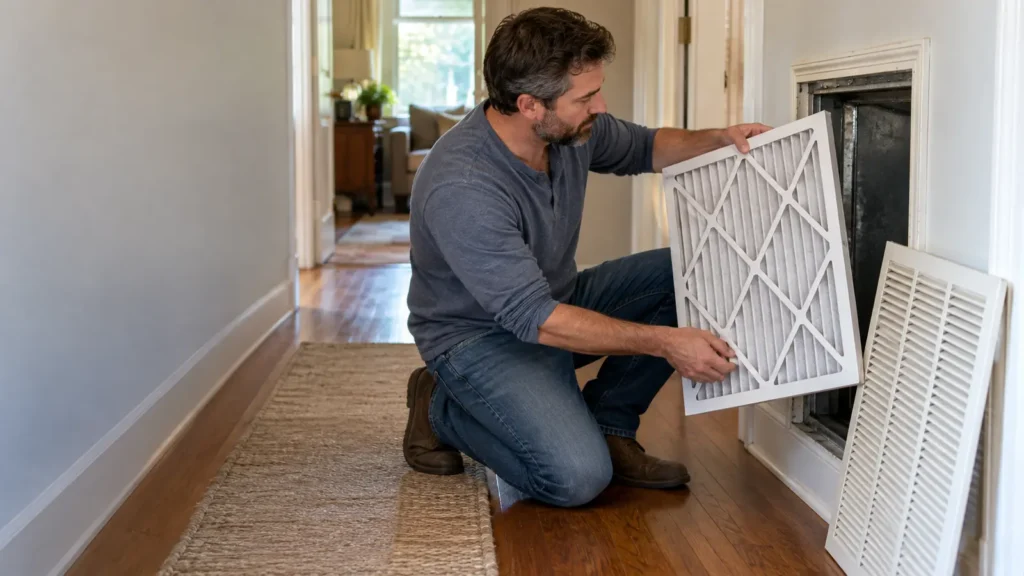
Review the filter type, fit, replacement schedule and whether the HVAC system can handle the selected filtration level. A better filter only helps if it fits correctly and the system can move air through it effectively.
Reduce Sources Where Practical
Air fresheners, smoke, heavily fragranced products and some cleaning routines can add pollutants to indoor air. Reducing sources can be just as important as adding equipment.
Think About Ventilation
Fresh-air exchange and exhaust in kitchens and bathrooms can help manage moisture and indoor pollutants. Ventilation needs vary by building and climate.
Use Air Purifiers Strategically
Portable air purifiers can be useful in bedrooms, living areas and other high-use spaces when selected for the room size and maintained correctly.
For a customized review, explore our Indoor Air Quality Wellness service.
Choose one observation to investigate first
Write down the room, the observation and when it happens. That might be a recurring odor after a particular activity, visible dust, a recent product change or uncertainty about existing equipment. Avoid starting with a list of every possible pollutant.
One clear question is easier to investigate and more useful when speaking with a professional. An observation does not by itself identify a substance or diagnose a symptom. The point of the first worksheet is to organize what is known, what changed and what information is still needed before deciding whether to buy anything.
Make a room-and-routine inventory
List the activities in the room, the products used there and the equipment intended to manage air or moisture. Include cooking, cleaning, fragrance products, smoking and recent work on the property where relevant. Note who uses the room and whether windows, doors or fans are normally involved.
Keep the record factual rather than write a conclusion about the cause. A small inventory may reveal a simple maintenance or purchasing question. It can also show that the issue belongs with the property owner, an HVAC professional or another qualified provider instead of a general household product conversation.
Separate the source from the equipment
An air cleaner is one tool, not a reason to ignore where a concern originates. EPA household guidance describes source control, ventilation and air cleaning as different parts of the process. If a routine adds an optional scent or creates a recurring odor, record that routine before comparing devices.
If there is a leak or building problem, a filter does not repair the damaged material. Use the inventory to identify the task you can address and the questions needing technical assessment. This prevents a shopping decision from being mistaken for an investigation of the property.
Read the model and instructions of existing devices
A portable cleaner or HVAC filter should be identified by its actual model, compatible components and use instructions. Record where the unit operates, its usual setting, cleaning requirements and replacement information. Consider noise, access and whether the household actually uses the equipment consistently.
A unit sitting unused is a different practical problem from choosing between two new models. Before purchasing another device, check whether the existing setup has an unresolved maintenance or compatibility question. Mechanical system performance belongs with the appropriate technical provider rather than a conclusion based on the device’s appearance.
Know the difference between a reading and a conclusion
Consumer devices measure particular indicators under stated limitations. A humidity reading is not a mold diagnosis, and one sensor value does not describe every aspect of indoor air. Keep the device model and measurement context with any note you want to discuss.
Avoid turning a number from an unfamiliar gadget into a general statement that a room is safe or unsafe. If a concern requires specific sampling or a technical investigation, identify that separate task. A useful household record helps you ask a better question; it does not replace qualified interpretation.
Pick a practical change you can describe
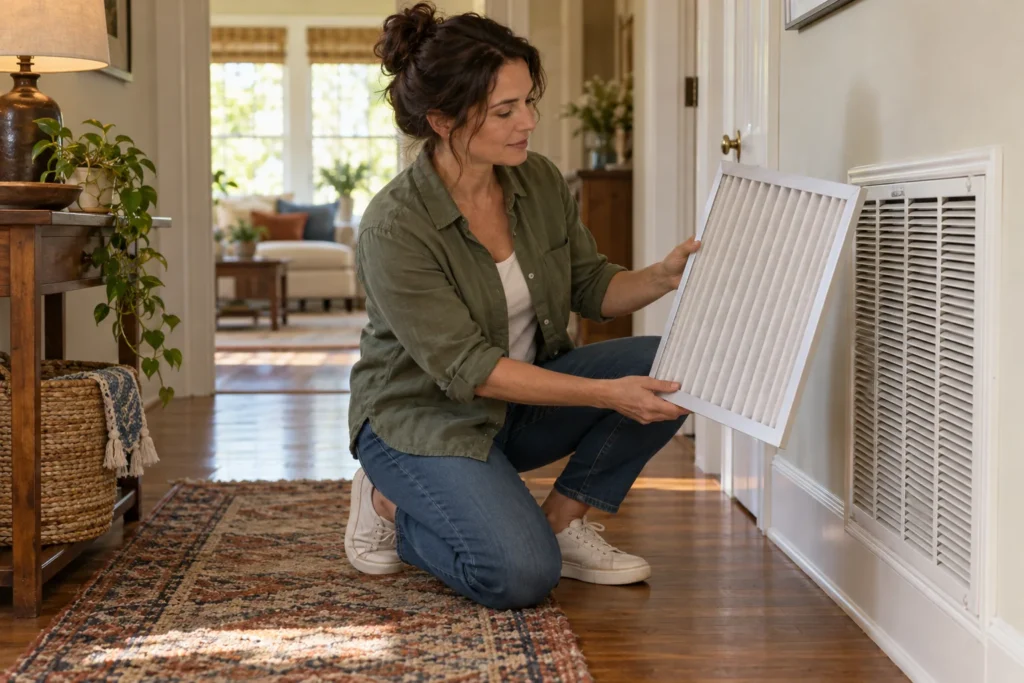
An appropriate next action might be clarifying product instructions, simplifying an optional scent routine, documenting filter maintenance or asking the property owner about a known issue. Describe the action and why you chose it. Do not mix cleaners or make an unauthorized building alteration in an attempt to solve the concern.
When feasible, keep a record rather than make several unrelated changes and assign the result to whichever product was purchased last. A manageable change is easier to maintain and easier to explain to another adult who shares responsibility for the household.
Know what should be referred
Questions involving combustion, significant moisture damage, suspected regulated materials or a mechanical system may require an appropriate specialist. A household walkthrough cannot establish the absence of every hazard or certify a room for a particular medical need.
If someone has symptoms, use the product and routine information to support a qualified clinical conversation. Keep that separate from the practical work on supplies and maintenance. The useful outcome may be a clearly scoped referral question, not another household purchase or a promise that an informal review has solved the underlying issue.
Use the worksheet to request the right help
Summarize the room, observation, relevant changes, current products, equipment and unresolved question. Decide whether you want education, purchasing support, a technical assessment or help organizing household tasks. Chemical Wellness can discuss the practical product and routine scope in Greater New Orleans or remotely by arrangement.
Testing, HVAC work and remediation are separate. Text the city and the main question to 504.296.9696. A concise summary helps define a useful first step without requiring a large collection of private records or a purchase before the conversation.
Useful source information
Related practical help
Questions about this guide
Should the first step be buying a purifier?
Not automatically. Define the observation, room and possible routine involved, then review existing equipment and available information. A purchase may be useful after the actual task is clearer.
What belongs in a simple indoor-air worksheet?
Record the room, timing, activities, product use, recent changes, equipment models and the question you want answered. Keep observations separate from conclusions about a cause.
Does an odor identify the chemical involved?
Not by itself. A smell is an observation that may help frame a question, but it does not establish the identity or amount of every substance in the air.
Can I use one sensor to assess everything?
Do not assume that. Identify what the exact device measures and the limitations of those readings. A consumer device is not a general environmental clearance.
How do I review an existing air cleaner?
Record the model, room use, settings, compatible filters and maintenance instructions. Include whether noise, access or replacement availability makes the unit difficult to use consistently.
Should I make several household changes at once?
A staged plan can make practical changes easier to follow and document. Avoid assigning a cause or health outcome to one change when several unrelated things happened together.
Can a filter fix moisture damage?
A device does not repair a leak or damaged building material. A moisture-related concern may need the property owner or an appropriate qualified professional.
Can a humidity reading diagnose mold?
No. Keep the reading and device information as part of the record, and define any separate building or assessment question that needs qualified attention.
Can fragrance products be part of the inventory?
Yes. Include room sprays, candles, diffusers and products used on clothing or surfaces when relevant. Record the actual use rather than assume the same effect for every item.
Is an educational visit the same as air testing?
No. Product and routine education, sampling, mechanical assessment and remediation are different services. Confirm which task the provider is qualified and engaged to perform.
How should I handle a symptom concern?
Seek the appropriate clinical assessment. The household inventory can help organize relevant information, but it should not be used to diagnose a condition or promise treatment through a product change.
Can Chemical Wellness help organize the next step?
Yes. Text your city and a short description of the room or routine. We can discuss a practical review and identify when another type of provider is needed.
Turn the questions into a practical plan.
Tell us your city and the food or household task you want help with. We can discuss the right scope before you book.